An ex-F1 engineer on why character is the hardest hire
About the event on 7 October 2026
Optimising for speed as an ex-F1 CFD engineer →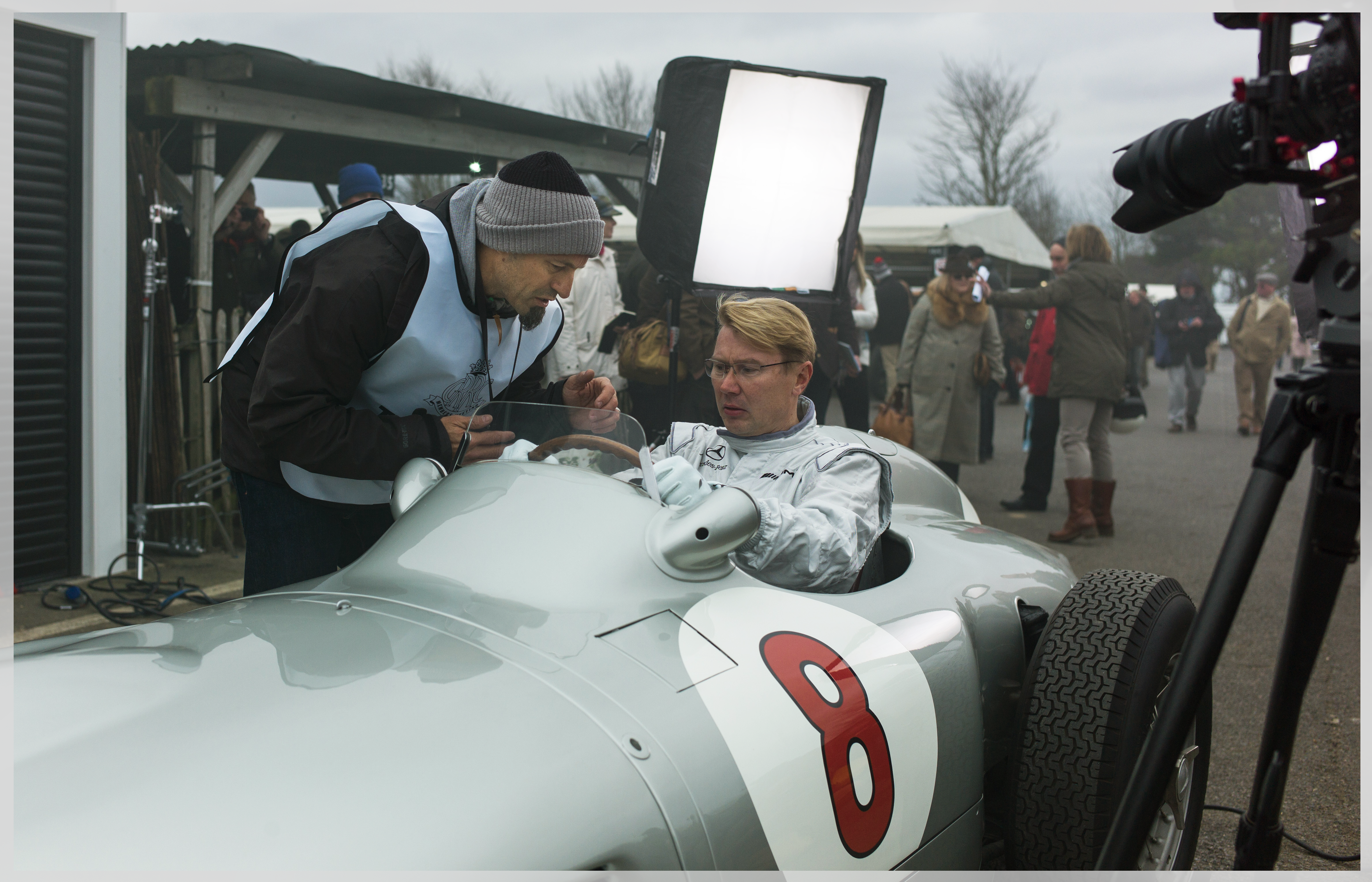
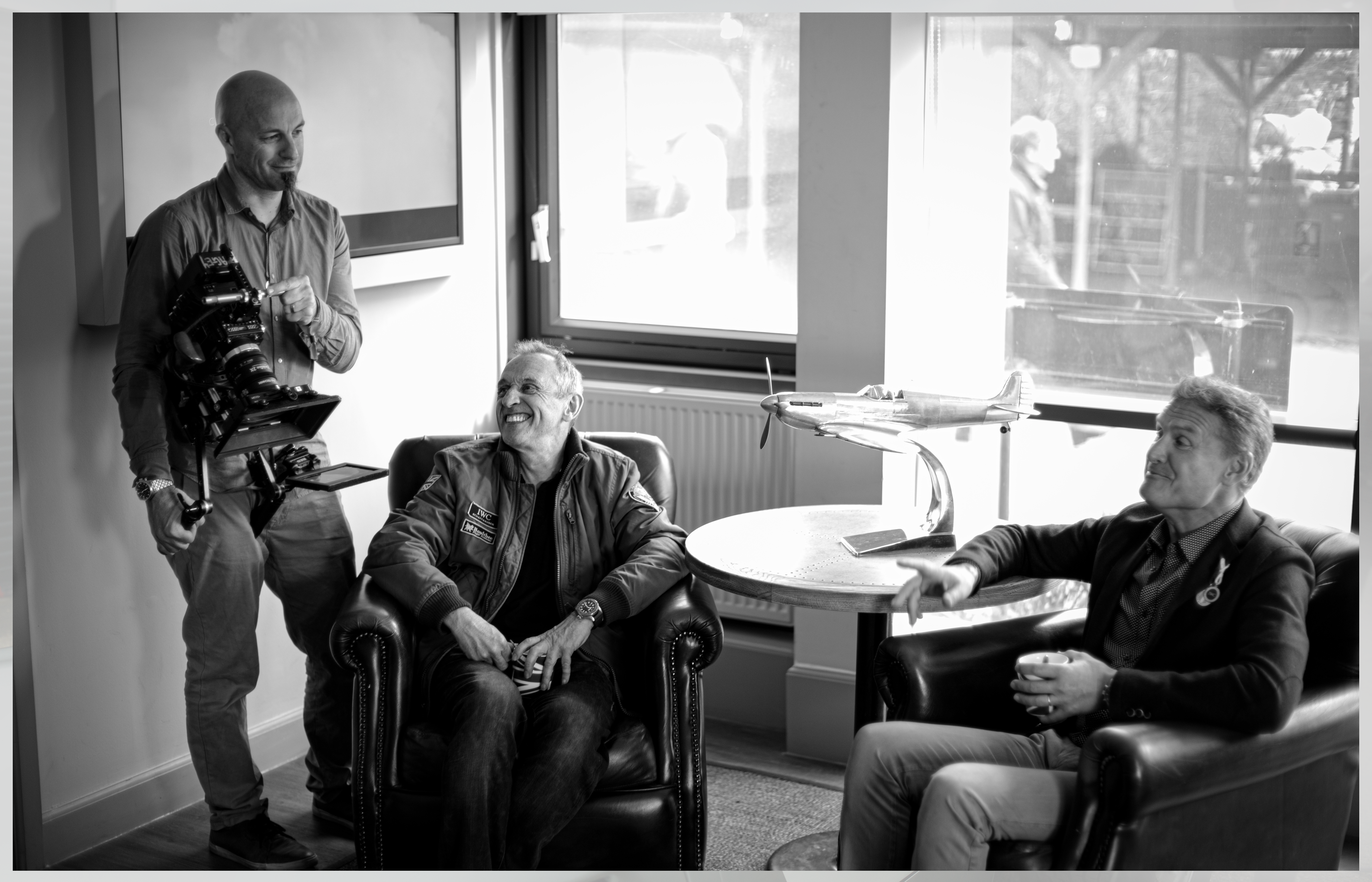
I discovered Formula 1 as a filmmaker. Back in the day, I had the privilege of working with Lewis Hamilton, Mika Häkkinen, and my absolute favourite, David Coulthard, all complete legends. For me, F1 has never just been about fast cars; it’s about how these machines evoke so much emotion and pure passion. Audiences all over the world love it because it combines human vulnerability with mind-blowing speed. We managed to replicate a bit of that same atmosphere and passion in our Wednesday Talks format at Ship26.
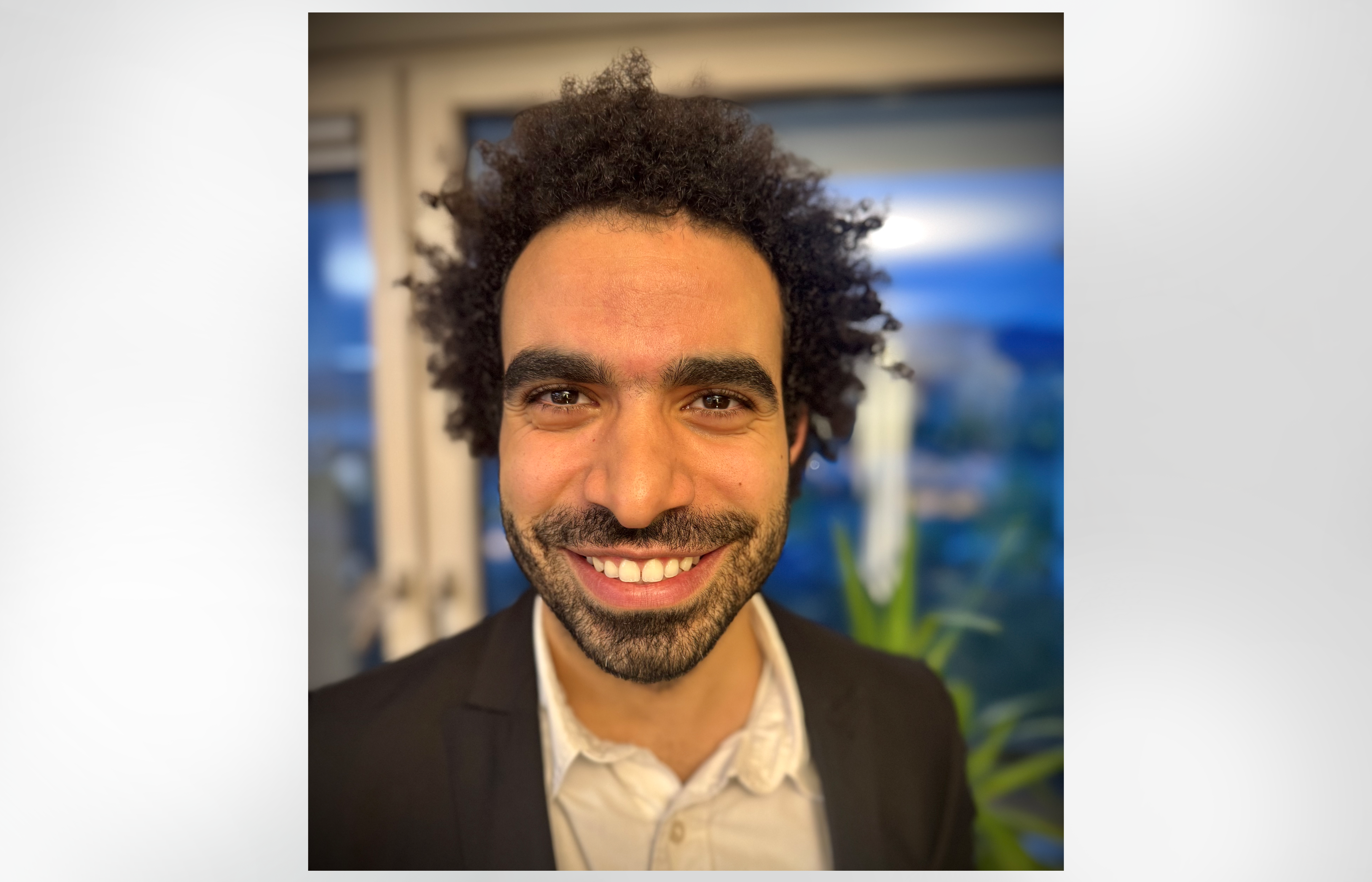
It all began with cold, hard physics. Our speaker, 32-year-old Mohamed "Mo" Aly Sayed, took us deep into the secretive, high-stakes world of Formula 1, only to bring it right back home to the messy, beautiful reality of being human. Mo’s journey took him from the banks of the Nile in Cairo straight into the obsessively secretive world of F1 as a Computational Fluid Dynamics engineer for Aston Martin and Sauber. To understand Mo’s world, you have to understand the sheer scale of the math. F1 isn't just about who pushes the pedal hardest; it’s a relentless optimization problem bounded by a strict $185 million budget cap. In the past, the team with the deepest pockets won. Today, every team hits the cap easily, shifting the game entirely to smart allocation.
Mo brought this reality to life with staggering numbers. A single prototype front wing costs hundreds of thousands. Teams bring new parts to the track every week. Engineers run thousands of computer simulations weekly just to catch a microscopic aerodynamic edge. Teams relentlessly upgrade their cars, bringing new parts to the track every single week. In F1, doing the exact same math as your rival, but doing it one day faster, is the difference between a podium finish and the back of the grid.
Yet halfway through the talk, the supercomputers and multi-million-dollar budgets faded into the background. Mo posed an impossible question: Talent or character? You couldn't pick both.
Early in his career, Mo assumed the top engineers were simply the smartest minds with the biggest funding. A defining moment proved otherwise. When he made the decision to leave Aston Martin, he felt like he was betraying his team. Trying to break the tension, he joked to his boss, "Don't worry, everyone is replaceable." His boss looked at him and replied, "Of course. The engineering skill isn't my concern. Finding someone who has the skill and is a decent human being, that's the real challenge."
That hit home for me. When we were building PRODUCER, our production management tool for content teams, we interviewed talent worldwide, but ultimately built our core team around five engineers from Egypt. On paper, they weren't the highest-profile candidates, but their character was undeniable. We were a group of misfits giving it everything we had. Even when we temporarily ran out of money and couldn't pay salaries, those five engineers stayed loyal and kept building. They stood by us through the hardest days, all the way to our eventual acquisition.
Mo, whose entire career revolves around modeling chaotic airflow, realized that life operates under the exact same physics. On the projector, he plotted his life not as a smooth upward slope, but as a turbulent signal filled with sharp spikes and steep drops, from being a broke, lonely student in France to the terrifying leap of leaving Aston Martin, a move he once feared had ruined years of progress. When Chris asked if he had a formula for measuring the highs and lows of life, Mo simply laughed. He explained that no formula should exist; if you could precisely design your next three years, motivation would evaporate and society would halt. In life, running 2,000 "good enough" iterations a week beats waiting a year for one perfect answer. You cannot engineer out the turbulence. The goal isn't to avoid the rough air, but to face it head-on and ride through it.
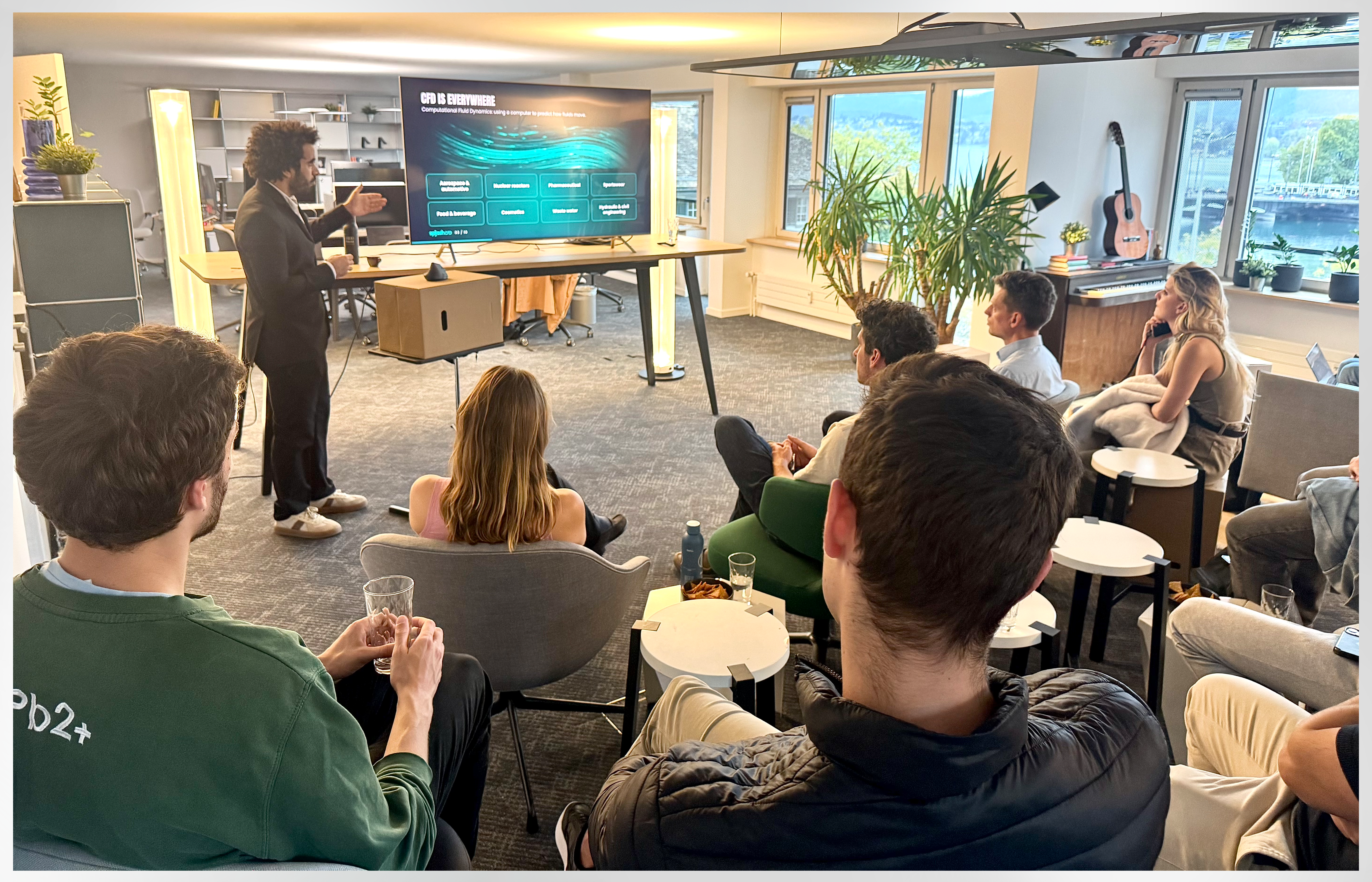
Mo’s rule for navigating those chaotic dips is surprisingly simple, especially coming from a man who spent years modeling invisible physics: just do the exact same thing you did yesterday, but do it tomorrow a little bit better.
In the end, that is why Formula 1 captures the human heart. The cars may be precision-engineered machines, but the magic has always been remarkably, unpredictably human. Stories like Mo’s remind us that beneath all the data and dollars, it isn't physics that wins the day, it just might be character.